 By Dominic E.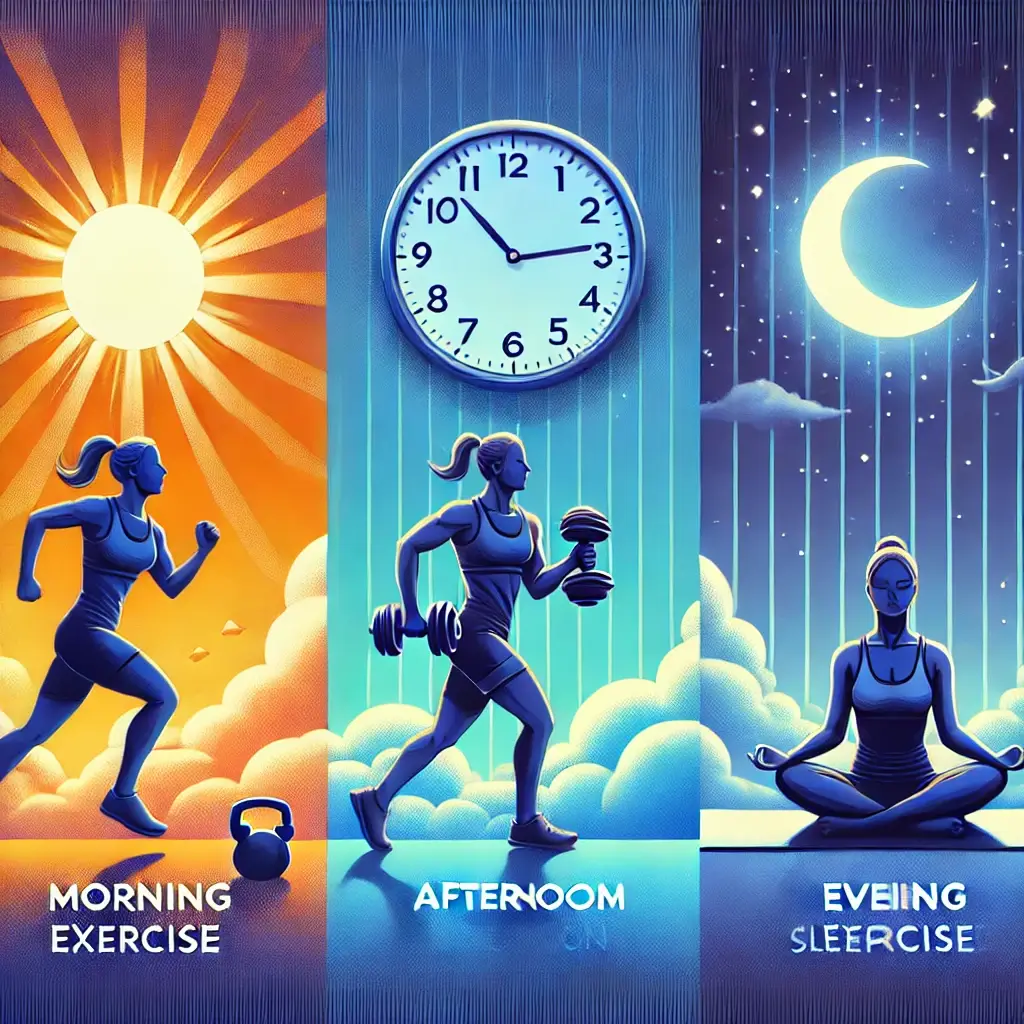
Understanding Exercise and Sleep Connection
In the pursuit of better sleep, exercise has become a cornerstone recommendation. Yet, the question of when to exercise—morning, afternoon, or evening remains a subject of debate. The timing of physical activity can influence sleep patterns, affecting how quickly you fall asleep, how deeply you rest, and how refreshed you feel upon waking.
Mechanisms Behind Exercise’s Impact on Sleep
Exercise impacts sleep through multiple mechanisms, including stress reduction, body temperature regulation, and the release of sleep-promoting hormones like serotonin. Additionally, it helps synchronize the body’s circadian rhythm, the internal clock that governs sleep-wake cycles. However, the effects of exercise timing vary among individuals, making it essential to tailor routines based on personal preferences and lifestyle.
Morning Exercise Benefits
Morning workouts align closely with the body’s natural circadian rhythms. A study published in Chronobiology International (2019) showed that morning exercise improved sleep efficiency, reduced disturbances, and shortened the time it took participants to fall asleep. Furthermore, exposure to sunlight during morning workouts can enhance the production of serotonin, which converts into melatonin later in the evening, aiding sleep initiation. Morning exercise also helps regulate cortisol levels, which peak naturally in the early hours. By aligning physical activity with this natural spike, morning workouts prevent cortisol disruption later in the day, which could otherwise impair sleep.
Advantages of Afternoon Workouts
Exercising in the afternoon may strike a balance between performance optimization and recovery. Research from the Journal of Applied Physiology highlights that muscle strength and cardiovascular efficiency peak during the afternoon, making workouts more productive. Additionally, moderate afternoon exercise can reduce cortisol levels and prepare the body for restful sleep. Afternoon exercise has the added benefit of allowing sufficient recovery time before bedtime. This minimizes the risk of overstimulation, a common issue with late-night workouts.
Evening Exercise Considerations
For years, evening workouts were discouraged due to concerns about their stimulating effects on the nervous system. However, recent findings paint a more nuanced picture. A 2022 study in BMJ Open Sport & Exercise Medicine found that light evening activities like yoga or walking extended total sleep duration by approximately 30 minutes. These exercises promote relaxation without significantly elevating heart rate or body temperature. On the other hand, high-intensity evening workouts should be approached with caution. Studies indicate that vigorous exercise close to bedtime can increase adrenaline levels, making it harder to wind down.
Optimizing Your Exercise Routine for Better Sleep
Tailoring exercise routines to your sleep goals involves experimentation and mindful adjustments. Consider these strategies: Track Your Sleep and Exercise Patterns, Match Intensity to Timing, Incorporate Relaxation Techniques, Allow Recovery Time. The benefits of exercise on sleep are rooted in physiological changes including stress reduction, thermoregulation, and promotion of deeper sleep stages.
Personalizing Your Exercise Timing
The relationship between exercise timing and sleep quality is not one-size-fits-all. While morning workouts often align well with circadian rhythms, afternoon sessions optimize physical performance, and light evening activities promote relaxation. By experimenting with different timings, monitoring your body’s response, and tailoring intensity levels, you can create an exercise routine that supports restorative sleep. Incorporating these insights into your daily routine not only enhances sleep but also boosts overall well-being. The journey to better rest begins with understanding your unique needs and leveraging exercise as a powerful tool for health.
References
Chronobiology International (2019). “The Impact of Morning Exercise on Sleep Efficiency.”
BMJ Open Sport & Exercise Medicine (2022). “The Effects of Light-Intensity Evening Activities on Sleep Duration and Quality.”
Journal of Applied Physiology (2020). “Afternoon Exercise and Its Effects on Performance and Recovery.”
National Sleep Foundation. “How Exercise Affects Sleep” (https://www.sleepfoundation.org/).